


Broach Holders: What Are They & Why Do They Matter in Manufacturing?


Precision machining is the backbone of modern manufacturing. Even a minor misalignment during the cutting process can lead to costly errors and rejected components. This is where broach holders play a critical role.
A broach holder ensures that the broaching tool remains stable, aligned, and secure throughout the machining process. At Fortune Machines and Tools, we manufacture high-quality broach holders designed to deliver consistent performance in demanding industrial environments.
In this blog, you’ll learn:
What broach holders are and how they work
Types of broach holders and their applications
How to choose the right broach holder
Maintenance tips to improve lifespan
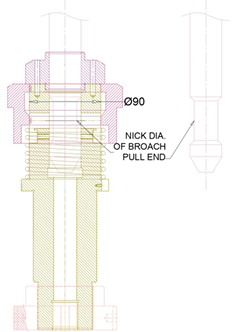
What Is a Broach Holder & How Does It Work?
A broach holder is a clamping device that securely holds a broach—the cutting tool used for machining keyways, splines, and other intricate profiles. Here’s how it works:
Securing the Broach: The broach is firmly inserted into the holder using clamps or hydraulic mechanisms to prevent any movement during the machining process.
Alignment & Stability: It ensures that the broach remains aligned with the workpiece, which is critical for achieving precise cuts.
Controlled Pressure Application: By maintaining steady pressure, the broach holder helps deliver uniform and smooth cuts, reducing the risk of tool damage or misalignment.
At Fortune Machines and Tools, our broach holders are engineered for reliability and precision, ensuring that every cut is as accurate as possible.
Types of Broach Holders & Their Applications
At Fortune Machines and Tools, we specialize in two highly efficient and industry-proven types of broach holders designed for precision and durability:

Spring Operated Broach Holders
Spring operated broach holders are engineered to provide controlled flexibility during the broaching process. These holders are especially useful in applications where slight misalignment may occur, as they can absorb minor variations without affecting the final output.
By allowing a small degree of movement, they help reduce stress on the cutting tool and improve overall machining performance.

Key Features:
Automatically absorbs minor misalignments
Reduces tool stress and deflection
Enhances surface finish quality
Best Applications:
Medium-precision machining operations
Components with slight alignment variations
General-purpose broaching tools applications
Spring operated broach holders are ideal for operations where consistent performance is required with some flexibility in alignment.
Hydraulic Operated Broach Holders
Hydraulic operated broach holders are designed for maximum rigidity and precision. These holders use hydraulic pressure to securely clamp the broach, ensuring a firm grip and eliminating unwanted movement during machining.
This results in highly accurate, repeatable cuts, making them the preferred choice for demanding industrial applications.

Key Features:
Strong and uniform clamping force
Minimizes vibration during cutting
Delivers high accuracy and repeatability
Best Applications:
High-precision machining
Automotive and aerospace components
Heavy-duty precision machining tools setups
Hydraulic operated broach holders are best suited for critical applications where precision and consistency are non-negotiable.
How to Choose the Right Broach Holder
Selecting the right broach holders is critical for achieving precision, efficiency, and long tool life in machining operations. The choice depends on your application, accuracy requirements, and the type of broach holder in the manufacturing setup you are using.
Below are key factors to consider before making a decision:
1. Understand Your Application Requirements
Start by identifying the type of operation you perform—whether it involves keyways, splines, or complex profiles. Different applications require different levels of flexibility and rigidity.
For general-purpose broaching tools → Spring operated holders
For high-precision applications → Hydraulic operated holders
2. Accuracy & Tolerance Level
If your work demands tight tolerances and high repeatability, go for hydraulic broach holders. For moderate precision with slight alignment variations, spring operated holders are a better fit.
3. Machine Compatibility
Ensure the broach tool holder you choose is compatible with your broaching machine in terms of size, mounting, and load capacity.
A mismatch can lead to poor performance and potential damage to broaching machine components.
4. Clamping Strength & Stability
Strong and consistent clamping is essential for smooth machining.
Hydraulic holders → Provide maximum rigidity
Spring holders → Offer controlled flexibility
Choose based on the level of stability your process requires.
5. Production Volume
Your production scale plays a big role:
High-volume production → Hydraulic precision machining tools setup
Low to medium production → Spring operated holders
6. Maintenance & Ease of Use
Consider how easy it is to maintain and operate the holder.
Hydraulic systems may require periodic checks
Spring operated holders are simpler and easier to maintain
7. Budget vs Performance
While hydraulic broach holders offer higher precision, spring operated holders are more cost-effective.
The right choice is not the cheapest—but the one that delivers the best performance for your application.
Final Tip
Choosing the right broach holders is not just about the tool—it’s about optimizing your entire machining process. A well-matched holder improves accuracy, extends tool life, and boosts overall productivity.
Maintenance Practices to Enhance the Longevity of Broach Holders
Proper maintenance of broach holders is essential to ensure consistent performance, extended tool life, and reliable machining results. A well-maintained broach holder in manufacturing not only improves accuracy but also reduces downtime and operational costs.
Below are key maintenance practices to keep your broaching tools performing at their best:
1. Regular Cleaning After Use
Metal chips, dust, and oil residue can accumulate on the holder and affect its performance.
Clean the holder after every operation
Remove debris from clamping areas
Use proper cleaning agents to avoid damage
Clean broach holders ensure better clamping and precision.
2. Timely Replacement of Worn Parts
Over time, components will naturally wear out.
Replace worn clamping elements promptly specifically Pins
Do not use damaged holders in production
Maintain spare parts for uninterrupted operations

3. Routine Inspection
Frequent inspection helps detect issues before they become major problems.
Check for wear, cracks, or deformation
Inspect clamping mechanisms for proper function
Ensure alignment is maintained
Early detection prevents damage to both the holder and broaching machine components.
4. Maintain Correct Clamping Pressure
Improper clamping can lead to tool slippage or excessive stress.
Avoid over-tightening, which can damage the broach
Avoid under-tightening, which causes vibration
Follow manufacturer guidelines for optimal pressure
Final Insight
Consistent maintenance of broach holders is key to achieving long-term efficiency in machining. By following these practices, manufacturers can improve performance, reduce tool wear, and ensure high-quality output in every operation.
Conclusion
Broach holders may seem like a small component in the machining process, but their impact on precision, efficiency, and tool life is significant. Choosing the right broach holders—whether spring operated for flexibility or hydraulic operated for high precision—can greatly influence your overall production quality.
By understanding their function, selecting the right type, and following proper maintenance practices, manufacturers can achieve consistent results, reduce downtime, and extend the life of their broaching tools.
At Fortune Machines and Tools, we are committed to delivering high-performance broach holders in manufacturing solutions that meet the demands of modern industries. With the right tools and expertise, you can ensure superior machining accuracy and long-term operational efficiency.


Comments